Mom Wife Fantasy Football Champion Women
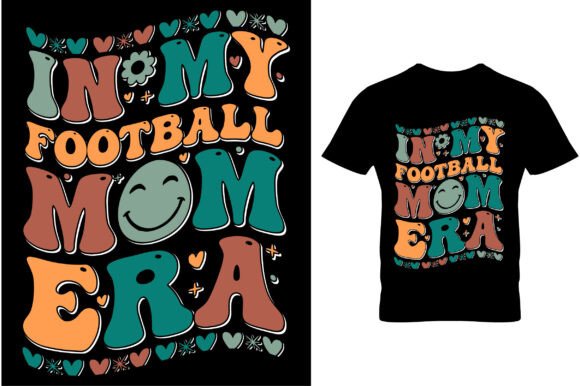
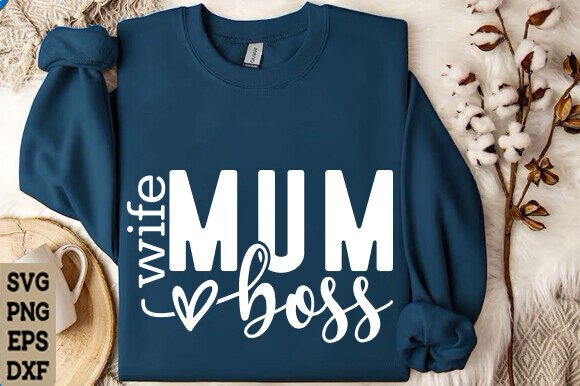
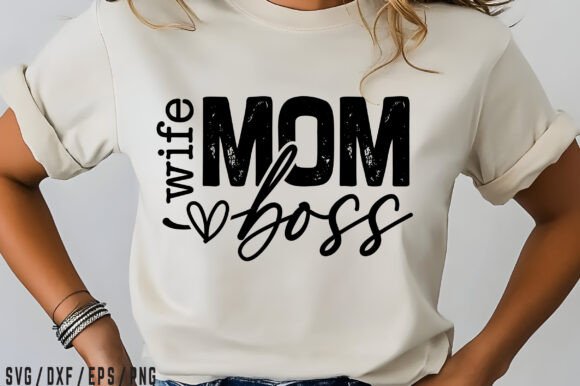
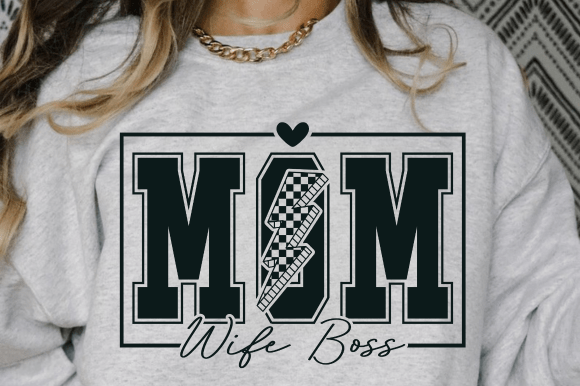
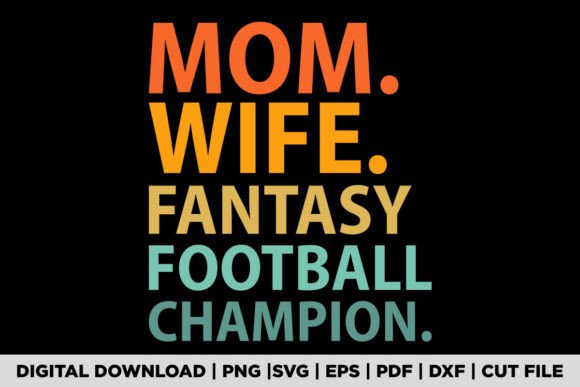
When I first opened the file folder for Mom Wife Fantasy Football Champion Women, I immediately saw a design that knows exactly what it wants to say. It’s bold, unapologetic, and wrapped in the kind of energy that makes a handmade gift feel personal and a little bit competitive. The layout reads like a badge of honor — part playful declaration, part trophy. The typography has a confident, slightly athletic rhythm, and the overall composition feels balanced enough to hold its own on a sweatshirt, a tote bag, or even a structured cap. For anyone who stitches for a living, this is the kind of graphic that sparks a dozen product ideas before you even finish untangling your thread spools.
My first thought was not about the design in isolation, but about the person who would wear it. A mom who juggles family life, game-day superstitions, and a league draft like a second job. That emotional hook is pure gold in the handmade space. When a design carries that much identity, it stops being a simple graphic and becomes a conversation starter. The real question for an embroidery professional is always: will it stitch as cleanly as it sells?
The Mood It Creates and Why That Matters for Embroidery
Visually, Mom Wife Fantasy Football Champion Women leans into a celebratory, almost sports-broadcast aesthetic. The lettering feels like it belongs on a championship locker room tee, but with a softer, more personal twist. That balance makes it incredibly versatile. It’s not just for a jersey; it works beautifully on a cozy hoodie, a canvas tote, or even a kitchen towel that hangs next to the game-day snacks. The design doesn’t scream “mass-produced.” It whispers “custom-made for someone who deserves to brag.” That’s exactly the feeling you want when you’re building a boutique line or a one-off gift.
From an embroidery perspective, mood dictates color choices, stitch type, and placement. The confident tone of this design suggests satin stitch lettering for crisp, shiny edges, or a dense fill stitch for a more substantial patch-like feel. The layout feels naturally geared toward a left-to-right read, which means it won’t fight against the natural drape of a garment the way some vertical or heavily stacked designs do. That’s a practical win before you even thread the needle.
Real-Life Project: A Custom Pullover for a League Champion
Let me walk you through a real scenario I had in mind while evaluating this design. A client reaches out — she’s a regular at our small shop, and she just won her fantasy football league for the second year in a row. Her husband wants to surprise her with a sweatshirt that says it all. She’s a mom, a wife, and now a back-to-back champion. This design is the answer. I’d pull up the high-resolution PNG file (4500×5400 pixels at 300 dpi) and drop it into a mockup to show how it would look on a heather gray crewneck. The clarity of the preview immediately sells the idea. The SVG and EPS files let me scale the design without losing a pixel, so I can adjust the size for a youth medium or an adult 2XL without any distortion.
But the embroidery digitization step is where the real evaluation begins. The provided files are graphics — a clean PNG, vector formats, a DXF, and a PDF. They are not stitch files. That means I need to run this through my digitizing software to create the actual embroidery file (whatever format my machine needs). The good news: the vectors are crisp, and the text is well-defined, so auto-digitizing might get me 80% of the way there. I’ll still need to manually adjust stitch angles, pull compensation, and underlay. The lettering must be sharp, and any small decorative elements — a subtle football graphic, perhaps, or a star accent — need to be checked for stitch density. If the design includes tiny details, they might close up or become illegible on a textured fabric. I always test on a scrap of the same fabric, with the same stabilizer, before running the final product.
Where This Design Feels Most at Home
I’ve mentally placed this design on a dozen different blanks, and here’s where it really thrives:
- Sweatshirts and hoodies — The natural home for a fantasy football champion. A soft French terry pullover with this design stitched on the chest or across the back makes a gift that feels like a trophy.
- Canvas tote bags — Game-day gear carrier, sideline mom bag, or just a reusable grocery tote with personality. The design’s width works well on a flat tote panel.
- Structured caps — A curved brim hat with this design on the front panel. The lettering might need to be slightly condensed to fit the curve, but the bold statement is worth the adjustment.
- Aprons — For the mom who runs the grill and the league. A half-apron with this design across the bib is a fun, practical product for craft fairs.
- Pillow covers — A playful throw pillow for the game room or the family couch. It’s unexpected and adds a cozy, personalized touch to home decor.
- Kitchen towels — Flour sack towels embroidered with this design make a sly, functional gift for the host who serves hot wings and hot takes.
In each of these applications, the design’s personality amplifies the product’s value. A plain tote becomes a statement piece. A basic sweatshirt turns into a boutique-worthy item. The customer buys not just the item, but the feeling of being seen and celebrated. That’s the kind of product strategy that builds repeat buyers and word-of-mouth referrals.
Technical Considerations for Clean Stitching
Before I commit to a production run, I always dissect the design’s technical behavior. With Mom Wife Fantasy Football Champion Women, the main things I watch for are:
- Lettering clarity — The text is the star. If the font is too thin or the letters are too close together, they can blob or lose definition. I’ll set my satin stitch width to at least 2.5mm for the smallest letters and add a light underlay to keep the edges crisp.
- Stitch density on small accents — If there’s a football, a star, or a decorative line, I’ll reduce density slightly if the detail is small. Too many stitches in a tiny area create a hard, bulletproof patch that feels stiff and can damage thin fabrics.
- Fabric and stabilizer pairing — For a sweatshirt, I use a medium-weight cutaway stabilizer. For a tote bag, a tear-away works well, but I often add a second layer of fusible mesh for stability. For a cap, I use a heavy weight tear-away and a cap hoop, and I slow the machine down.
- Color contrast on dark fabrics — The design’s mood suggests a bold color palette: maybe white, gold, and a team color. On a dark heather gray or navy blank, I need to make sure the thread colors pop. A gold metallic thread can add a trophy-like shimmer, but I always test the tension because metallic threads are finicky.
- Hoop size limitations — The design’s width is a factor. I measure the scaled design against my most common hoop sizes (4×4, 5×7, 6×10). If it needs to fit a 4×4 hoop for a baby onesie or a cap, I’ll need to simplify or split the design. But on a standard adult sweatshirt, a 5×7 or larger hoop is perfect.
File Formats and the Digitizer’s Workflow
The product package includes a PNG (4500×5400, 300 dpi), SVG, EPS, DXF, and PDF. That’s a robust set for a graphic design, and it gives me flexibility. The high-res PNG is what I use for mockups — I can drop it into a product preview and show a client exactly how the finished piece will look before I stitch a single thread. The SVG and EPS are vector files, so I can scale the design infinitely without jagged edges. That’s essential when I need to adjust the size for different products. The DXF file is handy if I’m cutting heat transfer vinyl or using a cutting machine for appliqué fabric pieces. The PDF is a nice bonus for printing a reference sheet or a quick paper mockup.
What’s not in the package is a machine embroidery file — no PES, DST, EXP, or any stitch format. That’s not a flaw; it’s just the nature of the product category. As a professional digitizer, I’m used to converting graphics into embroidery files. But if you’re a crafter who expects a ready-to-stitch file, you’ll need to either digitize it yourself or hire a digitizer. The quality of the vector files makes that process much smoother. I’ve seen poorly traced vectors that turn into a nightmare of jagged nodes, but these are clean and ready to use.
When to Use Caution With This Design
No design is a one-size-fits-all miracle. I’ve learned to respect the boundaries of a graphic, and Mom Wife Fantasy Football Champion Women has a few areas where you should pause and test:
- Thin or stretchy fabrics — A lightweight jersey or a ribbed tank top might pucker under the dense satin stitches. Always use a fusible mesh stabilizer and baste the fabric carefully.
- Very small hoops — If you try to cram this design into a 4×4 hoop, the lettering might become too small to stitch cleanly. The text needs breathing room.
- Curved surfaces — On a cap, the design will arch over the crown. You’ll need to adjust the design’s baseline if you want it to look perfectly straight. I often print a paper template, tape it to the cap, and check the curve before stitching.
- Frequent washing — If the finished product is a dish towel or a piece of clothing that will see a lot of wash cycles, I’d recommend a dense satin stitch with a soft backing to prevent thread breaks over time. A patch-style application adhered with a heat press and then stitched on is another durable option.
- Dark fabric with dark thread — If the design uses a dark color palette, it can disappear on a navy or black background. I always test the thread combination on a swatch of the actual fabric to make sure the contrast is sufficient.
How This Design Elevates a Handmade Business
I think about product value in layers. The base cost of a blank sweatshirt is modest. Add a well-executed embroidery design, and the perceived value jumps significantly. Add a design that speaks directly to a customer’s identity — like a fantasy football champion who is also a mom and a wife — and you’ve created an emotional purchase. That’s the sweet spot. This design makes a product feel like a limited edition, even if you stitch it a dozen times for different clients. It’s specific enough to feel personal, but broad enough to appeal to a wide audience of football-loving moms.
For an Etsy seller or a craft fair vendor, Mom Wife Fantasy Football Champion Women is the kind of item that stops a browser mid-scroll. The title itself is a keyword-rich phrase that matches what people actually search for during the fantasy football season. The high-quality mockup potential (thanks to that 300 dpi PNG) means your listing photos can look polished and professional, which builds trust and reduces buyer hesitation. When a customer sees a crisp, well-lit mockup of a sweatshirt with this design, they can imagine wearing it on draft day. That visualization is a powerful sales tool.
Final Embroidery Notes From the Stitch Room
Before you load this design onto a USB and send it to your machine, run through this checklist:
- Test the digitized file on a scrap of the same fabric and stabilizer you’ll use for the final product.
- Check thread color contrast in both natural daylight and indoor lighting — metallic or shiny threads can look different under various conditions.
- Review stitch density on small details. If the design has a football or a star graphic, make sure the fill stitches aren’t so dense that they create a stiff, uncomfortable patch.
- Confirm your hoop size accommodates the scaled design without crowding the edges. A 5×7 hoop is a safe starting point for most adult apparel, but measure your specific digitized file.
- If you’re selling finished items, double-check the commercial license terms. The product description indicates the files are for use in creating physical products, but always verify that you’re allowed to sell finished goods without additional attribution or limitations.
- Consider offering this design as a personalized product — add the winner’s name, the year, or the league name in a small, neat font below the main design. That ups the gift appeal exponentially.
In the end, Mom Wife Fantasy Football Champion Women is a design that does exactly what it promises. It’s not trying to be subtle. It’s a celebration, and it translates beautifully into embroidery when you give it the right foundation. Whether you’re stitching a single sweatshirt for a friend or building a whole collection of game-day accessories, this graphic gives you a strong, confident starting point. Just remember: the file is a canvas, and your digitizing skills, thread choices, and fabric pairings are the brushstrokes. Treat it with care, and the finished product will make someone feel like a champion every time they wear it.