Mom What I Love Quote: Real Embroidery Review
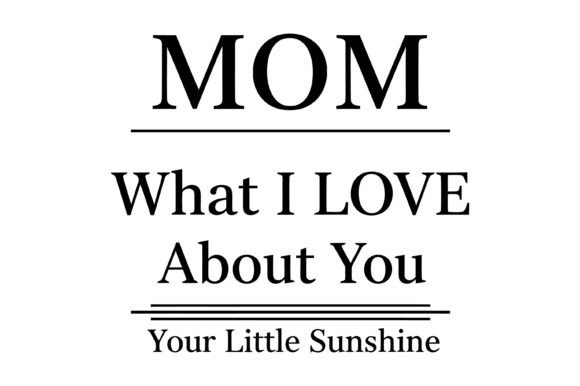
Every so often, a design lands in my digital library that’s not flashy or elaborate, but it stops me for a moment. That’s exactly what happened with the Mom What I Love Quote. As someone who stitches and digitizes for a living, I’m drawn to typography that feels like a whisper rather than a shout. This one is a minimal, love‑filled quote centered on the word “Mom,” and the message reads like a soft note you’d tuck into a lunchbox. It’s the kind of design that asks to be embroidered on something warm and personal, not just printed and forgotten.
The first thing I noticed was the shape. It’s a text‑only layout, uncluttered and balanced, with no decorative elements to distract. The mood is gentle, almost nostalgic, and immediately I could picture it on a natural canvas tote bag, a heirloom baby blanket, or a simple kitchen towel. The absence of complex graphics means the focus stays on the words themselves, which is exactly what you want for a sentimental piece. For a machine embroidery design, that simplicity is a gift — no tiny details to lose, no dense fills to war against stabilizer. But that also means the lettering must carry the entire weight of the design, and that’s where a designer’s eye becomes critical.
When a Simple Quote Catches Your Eye
I opened the Mom What I Love Quote file set in my digitizing software and immediately appreciated the clean lines. The text is arranged in a way that feels intentional, not just typed out. The spacing between words and the gentle curves of the letterforms (assuming a script or soft serif style) give it a handmade charm even before a single stitch is laid down. It’s a family‑centered phrase that resonates with so many buyers — whether it’s for a first Mother’s Day, a grandmother’s birthday, or just a reminder on a daily tote.
From a visual standpoint, the typography carries a warm, minimal personality. It doesn’t shout “trendy” — it whispers “timeless.” That’s a huge advantage for small business owners who want products that won’t feel dated next season. The quote feels like it belongs on a personalized gift, something that a customer would buy for themselves or as a thoughtful present. As I zoomed in on the vector file, I checked the thinnest parts of the letters. That’s the make‑or‑break moment for any embroidery file. If the lettering is too delicate, you’ll end up with broken stitches or a design that disappears on textured fabric. But here, the strokes appear to have enough weight to hold a solid satin stitch, especially if you scale it to a reasonable size.
Imagining the Final Stitch on a Tote Bag
Let me walk you through a real project scenario. I’m preparing a Mother’s Day gift for a close friend — a natural cotton canvas tote bag with the Mom What I Love Quote stitched in a soft cream thread right on the front panel. The bag has a bit of texture, so I’ll need a cutaway stabilizer to keep the lettering crisp. I’ll also use a topping film to prevent the stitches from sinking into the weave. Before I even hoop the bag, I’ll test the design on a similar scrap of canvas. That test run is non‑negotiable. I’ll look at how the letters form, whether the small loops inside the “a” and “e” close properly, and if the thread tension is balanced.
On a tote, the design will sit in a spot that gets a lot of movement and occasional friction. That’s why I always lean toward a slightly heavier thread weight — like a 40‑weight polyester — and a satin stitch that’s not too narrow. If the original design includes any tiny serifs or flourishes, I might simplify them during digitizing to avoid thread breaks. The result, after stitching, should be a clean, legible quote that feels like a warm hug. Customers will notice that kind of quality instantly. They’ll run their fingers over the raised letters and feel the care that went into it. That’s the difference between a product that sells once and one that brings repeat buyers.
Where the Design Works Best — and Where It Needs Caution
After working with this design in my mind (and on screen), I’d say it’s a natural fit for a wide range of handmade products. The Mom What I Love Quote would thrive on:
- Canvas tote bags and cotton totes
- Unisex sweatshirts and cozy crewnecks
- Linen tea towels and kitchen linens
- Pillow covers, especially neutral linen blends
- Baby blankets and nursery wall hangings
- Aprons with a front pocket
- Simple cotton caps with a flat front panel
- Quilted patches for jackets or denim
On the other hand, there are places where I’d be cautious. This design is all about the text, so if you shrink it to fit a tiny hoop (like a 4x4 inch), the lettering might become illegible. I’d avoid using it on highly textured fabrics like terrycloth or thick fleece unless you’re prepared to use a dense underlay and a ton of stabilizer. Stretchy fabrics, such as a thin baby onesie, require a firm backing and careful hooping so the letters don’t distort after washing. If you’re thinking of putting it on a cap, be mindful of the curved surface — the straight text lines might look warped unless the design is specifically digitized for caps. Dark fabrics can be tricky too; a light thread color will pop, but a dark thread on a dark background makes the message unreadable. Always test your thread choice against the fabric before committing to a full production run.
The Commercial Angle for Craft Business Owners
For Etsy sellers, craft fair vendors, and small shop owners, the Mom What I Love Quote is a solid investment. It’s a design that doesn’t need a lot of explanation. The phrase itself is the selling point, and it taps into the evergreen “mama” market. I can see it listed under custom apparel, personalized gifts, or even as part of a bundle with coordinating family designs. The minimal style means it pairs well with other motifs — a small floral sprig, a heart, or a delicate border — without overwhelming the eye. That versatility gives you room to create a whole collection around one core sentiment.
When you stitch this onto a product, the perceived value jumps. A plain tote becomes a heartfelt gift. A simple sweatshirt turns into a statement of love. Buyers engage emotionally with the message, and that emotional connection builds trust in your brand. I’ve noticed that customers return for designs that feel personal and genuine, and this one fits that bill perfectly. If you’re building a brand around family, motherhood, or intentional living, the Mom What I Love Quote can become a signature piece. Just remember to confirm the licensing terms for commercial use — sometimes these files are sold for personal projects only, so always check the included documentation before you list a finished product.
Technical Notes from the Embroidery Room
Before you load the design into your machine, here are a few practical steps I follow every time, and they apply directly to this design:
- Test on scrap fabric first. Stitch the design on a piece of fabric similar to your final product. Watch for thread breaks, puckering, or gaps in the lettering.
- Check thread color contrast. Hold a strand of thread against the fabric in natural light. A cream thread on natural canvas might wash out; a soft charcoal or muted rose might be better.
- Review stitch density. If you’re using a pre‑digitized file, inspect it in your software. Text that’s too dense can cause needle breaks, while too sparse will look unfinished.
- Confirm hoop size. The design must fit comfortably within your hoop, with at least an inch of clearance on all sides for stable stitching.
- Inspect small details. Zoom in on the vectors (SVG, AI, EPS) to see if any tiny serifs or connectors might close up when stitched. Adjust in your digitizing software if needed.
- Test in black and white mockups. Convert the design to a grayscale preview to see how it reads without color. This helps you spot contrast issues early.
- Use the right stabilizer. For most fabrics, a medium‑weight cutaway is your friend. For thin or stretchy materials, add a mesh backing for extra support.
- Think about washing. If the item will be laundered often, use polyester thread and a tight satin stitch to prevent fraying over time.
One more thing: the fact that the design comes in multiple formats — SVG, PDF, JPEG, PNG Transparent, EPS, and AI — is a huge plus. The PNG with a transparent background is perfect for creating digital mockups to show clients before you stitch. The AI and EPS files let you tweak the typography or combine it with other elements if you have the software. For a craft business, these design assets save time and open up possibilities for print‑on‑demand mockups, printable cards, or even vinyl decals alongside your embroidery projects.
A Thought on the File Formats Included
I appreciate that the Mom What I Love Quote isn’t just a single embroidery file; it’s a full graphics package. That’s common for T‑Shirt Designs and Graphics, but it’s a bonus for embroiderers. You can use the PDF to print a template for placement, the JPEG for a quick preview, and the transparent PNG to layer over product photos. The AI and EPS files are editable, so if you want to add a small heart or adjust the kerning, you have full control. For a designer who likes to customize, that flexibility is gold. Even if you’re only using it for embroidery, having these formats means you can create a cohesive brand look across your shop — the same design on a digital listing image, a printed hang tag, and the embroidered piece itself.
The Last Word Before You Press Start
The Mom What I Love Quote is the kind of understated design that quietly becomes a bestseller. It’s not trying to impress with complexity; it’s simply a heartfelt message rendered in a clean, stitcher‑friendly format. For a handmade product, that’s often exactly what you need. I’d recommend it without hesitation for anyone who wants to add a warm, personal touch to their embroidery project. Just remember to test thoroughly, respect the licensing, and let the words do the work. After all, the best designs are the ones that feel like they were meant for the person who receives them — and this one certainly does.