Coquette Basketball Mom Basketball Bow
A Design That Smiles Back — Before You Even Stitch It
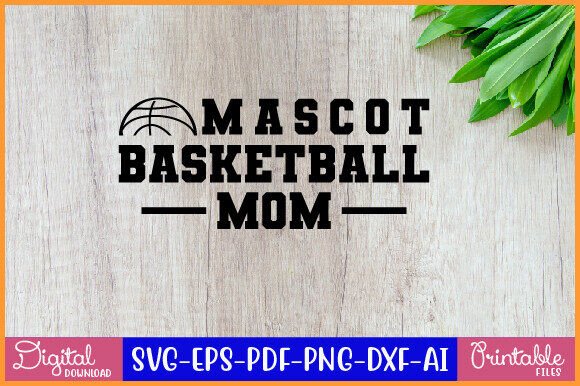
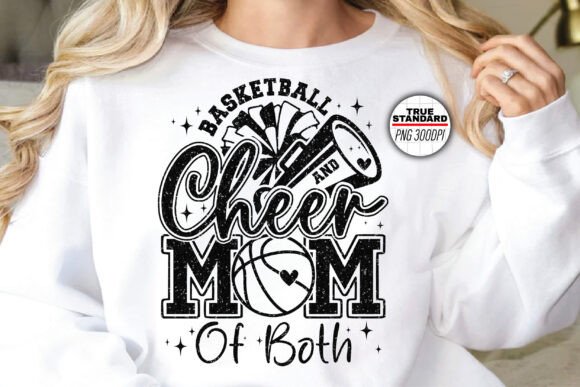
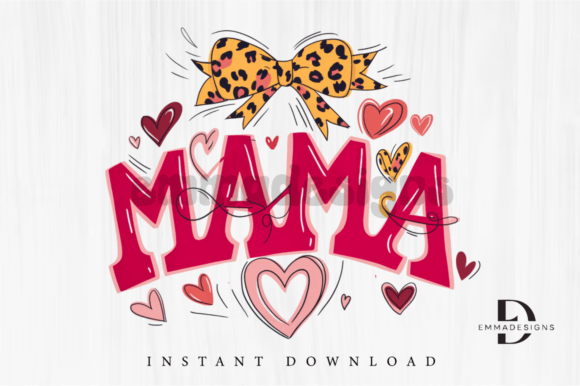
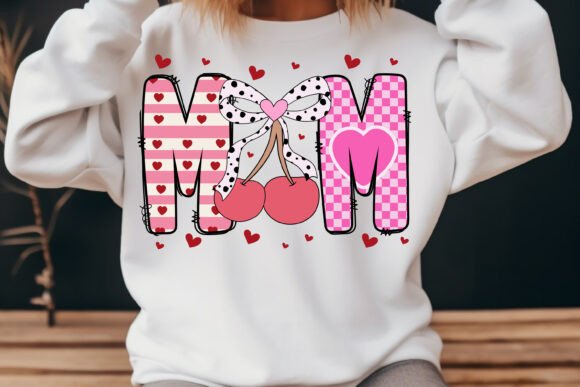
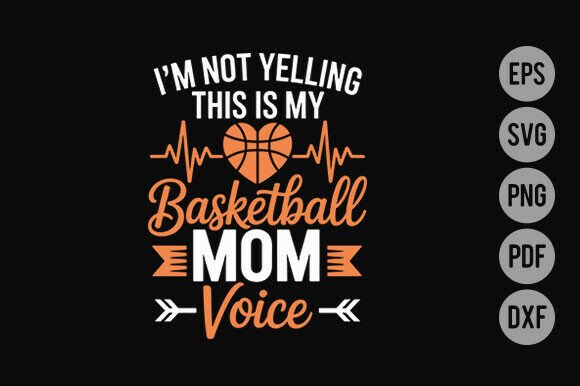
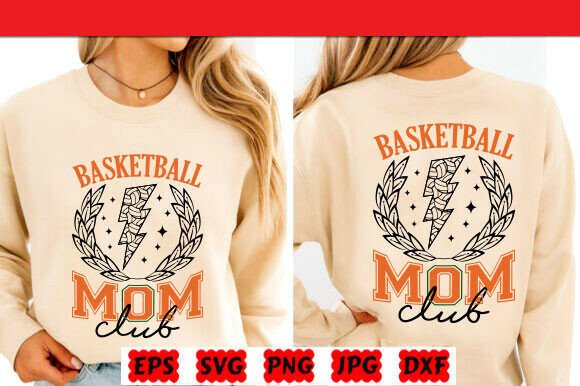
First impression? Coquette Basketball Mom Basketball Bow lands with playful confidence — not loud, not cutesy, but warmly self-aware. It’s got that subtle wink of charm: a stylized basketball nestled inside a soft, looping bow, with clean curves and balanced negative space. As an embroidery designer who’s stitched hundreds of “mom”-themed graphics for client orders and small shop inventory, I immediately saw its sweet spot: not just for team spirit, but for identity. This isn’t generic sports decor — it’s for the mom who coaches, cheers, drives carpool in sweatpants, and still ties her hair with a silk ribbon. I pulled it up on my screen while prepping a custom embroidered tote bag for a local youth league fundraiser — and yes, it felt right at home there.
Where It Shines (and Where It Asks for Care)
Coquette Basketball Mom Basketball Bow works beautifully on mid-weight fabrics where structure meets softness: cotton twill totes, fleece-lined sweatshirts, canvas aprons, and even medium-weave tea towels. On a crewneck sweatshirt for a boutique launch last month, the design held crisp satin-stitched edges without puckering — especially when paired with a light tear-away stabilizer and 40-weight polyester thread. The bow’s loops translate well into smooth satin stitch zones, and the basketball’s texture reads clearly even at 3.5" wide. As a machine embroidery design, it avoids over-detail: no micro-lettering, no nested fill-stitch islands, no fragile stems. That makes it forgiving for custom apparel, embroidered patch production, and even baby onesies — provided you use appropriate lightweight stabilizer and reduce density slightly.
But here’s where instinct kicks in: skip this one for ultra-tight hoops under 4". The bow’s inner curve and basketball seam line need breathing room. On stretchy fabric like jersey-knit tees, test first — the design’s gentle flow can distort if tension or stabilizer isn’t dialed in. And on dark fabric? Don’t assume contrast. I mocked Coquette Basketball Mom Basketball Bow in black-and-white before committing to navy terry cloth — and swapped from cream to antique gold thread for better legibility. It’s not a high-density applique design, so it won’t overwhelm thin cotton poplin, but avoid layering it over seams or curved surfaces like cap fronts unless you’ve tested hoop placement and fabric give.
Real Projects, Real Reactions
Last holiday season, I stitched Coquette Basketball Mom Basketball Bow onto linen pillow covers for a craft fair booth. Customers didn’t just say “cute” — they paused, smiled, and said, “That’s *me*.” That’s the quiet power of this Graphics piece: it communicates belonging without shouting. For Etsy sellers and small shop product lines, that emotional resonance lifts perceived value. A $28 embroidered tote feels intentional, not mass-produced — especially when the bow’s symmetry reads cleanly and the basketball sits centered, not lopsided. I’ve used it on kitchen towels for gift sets, too, and found the moderate stitch count (though unlisted, it’s clearly optimized) holds up through repeated washing — no fraying corners or thread breakage in the loop ends.
It’s less ideal for dense decorative accents on quilted blankets or layered nursery decor where texture competes. And while it’s absolutely usable for holiday embroidery or wedding gifts (think: “Team Mom” bridesmaid totes), don’t force it onto formal stationery or monogrammed handkerchiefs — its personality is relaxed, not refined.
Design Judgment, Not Just File Specs
You’ll get PNG, EPS, SVG, and DXF files — great for versatility across cutting machines, vector editors, and printable mockups. But as a working designer, I care less about format counts and more about how those files behave. The EPS and SVG hold clean paths — I edited the bow’s width by 10% for a narrower cap front layout without distortion. The PNG is truly 300 dpi and prints sharp for physical proofs or vendor handoffs. What’s missing? No stated stitch count, no recommended hoop size, and no licensing note — so if you’re a craft business owner planning to sell finished items or resell the digital embroidery file, verify usage rights before listing.
Practical Notes You’ll Actually Use
- Always test on scrap fabric matching your final project’s weight and stretch — especially for sweatshirt embroidery or baby embroidery.
- Check thread colors against both light and dark backgrounds using grayscale mockups — the bow’s shape relies on silhouette clarity.
- Use cutaway stabilizer for knits, tear-away for stable wovens; skip fusible unless you’re adding a backing layer intentionally.
- Review small details at actual stitch size: zoom in on the basketball’s seam line and bow knot — are they distinct, or do they blur together?
- Confirm stitch density feels balanced — too sparse and the bow loses shape; too dense and it stiffens the fabric unnaturally.
- Ask yourself: does this support your brand consistency? If your shop leans minimalist, this fits. If you specialize in bold, graphic-heavy T-Shirt Designs, it may sit quieter than your usual range.
Final Thought: Charm With Craftsmanship
Coquette Basketball Mom Basketball Bow doesn’t try to be everything. It’s specific, thoughtful, and quietly polished — exactly what handmade product buyers respond to. It elevates a plain tote into a personalized gift. It adds warmth to a boutique’s seasonal collection without demanding attention. And for creative entrepreneurs, it’s a reliable, adaptable asset — not a trend-chasing flash-in-the-pan. Just remember: great embroidery starts before the needle drops. Test it. Touch the fabric. See how it lives in context. Because when someone carries that tote or wears that sweatshirt, they’re not holding a design — they’re holding a feeling. And Coquette Basketball Mom Basketball Bow delivers that, stitch by honest stitch.